


The academic pressure can make students at the school have the feeling that they always have to do more, get better grades, get into more extracurriculars and have to keep up with every responsibility. When several tests, assignments, and deadlines pile up in the same week, it can become overwhelming to figure out where to start. Learning to manage the pressure is about more than surviving a busy week at school; habits such as planning ahead, breaking assignments into smaller steps, and asking for help when needed can also help students in university.
High School Counselor Ana García explains how this pressure can create a difficult pattern. In her response, translated from Spanish, she describes “a cycle of procrastination, anxiety, and procrastination.” When students feel overwhelmed and do not know where to begin, putting off their work can make the pressure even harder to manage.
The consequences can go beyond stress and affect the students’ learning. García explains that students “may not perform at their full potential because they cannot engage deeply in the learning process.” She also emphasized the importance of taking care of physical health during busy weeks. “When work piles up, that is exactly when you need to take the best care of your diet, sleep, and exercise.”
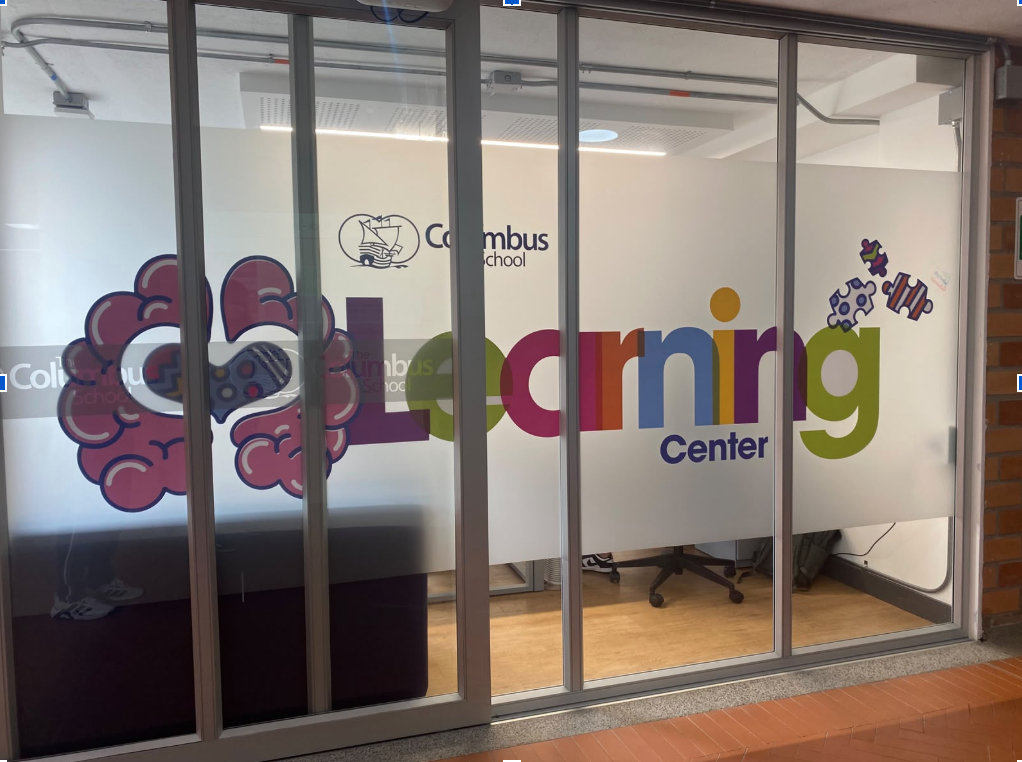
While García gives them more of the emotional side and academic effects, Susana Arias, Learning Center leader, sees how overload often begins with a lack of organization. Students may not struggle because of one particular subject, but because they do not know what to prioritize first. “The real issue is usually organization: too many assignments at once, no clear idea of what to do first, and the sense that everything is urgent,” Arias explains.
One of the ways to make workload more manageable is to divide large assignments into smaller, realistic steps. “Breaking big projects into small steps with their own mini-deadlines,” explaining that, “‘write the essay’ is overwhelming but ‘write the introduction today’ is doable.” She also encourages students to seek support before their problems become more difficult to solve. “I want students to know that asking for help early is a sign of maturity, not weakness. It’s much easier to fix a small problem than a big one.”
For the 11th-grade student Rebecca Guerra, these challenges are part of managing a demanding academic schedule. She describes having several AP exams close together constantly. “I have AP Bio, AP Physics, AP Calculus even on the same day, block after block. So it’s very, very stressful because I know I have to study for one, prioritize my study so many times I have to sacrifice extra time from extracurriculars, so it’s very, very difficult to manage my time.”
To manage these challenges, Guerra is willing to ask for help when necessary. “And honestly, I’m not afraid to ask for help when I need it, even if it’s staying in x-block, going to lunch with the teachers, being able to ask for help in the learning center or even to other students; it has really helped me to succeed in everything so far.”
These habits can become even more important in university, where students must take greater responsibility for their own schedules and deadlines. Rebecca states, “They’re not always going to push you so that you can succeed, but more so you have to do it for yourself. You have to become a more independent person and be able to prioritize yourself over others.”
Learning to manage academic stress overload in high school is not just getting through a bad week and passing the exams; it is also about preparing for bigger responsibilities in the future. By planning ahead, breaking assignments into smaller steps, taking care of their well-being, and asking for help when needed, students can develop habits that may not disappear, and learning how to respond to it can help students with their confidence.