


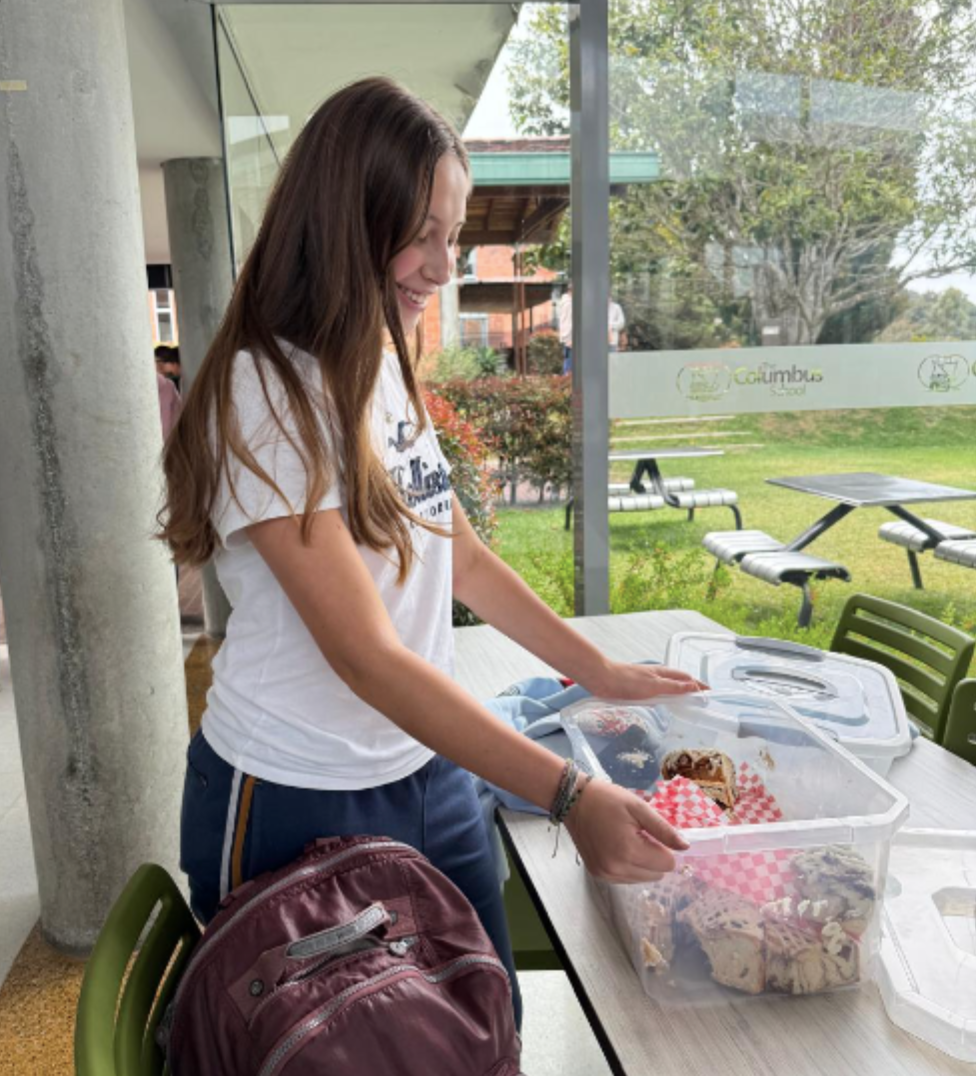
For students trying to turn food ideas into small businesses, the new requirements have changed what it takes to sell at The Columbus School (TCS). The new policy in 2026 has made permits more difficult to obtain, making students do medical tests, having an industrial kitchen if the product is homemade, and having an INVIMA permit. (Instituto Nacional de Vigilancia de Medicamentos y Alimentos) affecting both the young student entrepreneurs and the students who buy the product.
Martina Botero, a senior at TCS and previous student food seller, experienced this change firsthand. Last year she used to sell trufas and brookies and was usually sold out by lunch. Students even asked her to bring merchandise. But this year things changed.
“However, the new requirements have affected my plans because, at this point, I am no longer able to sell the product because some friends took over the business idea,” Botero said.
While the policy is intended to address food safety, Botero’s experience shows that some requirements can create additional barriers for students. She does not believe every requirement is unnecessary.
“I think some of the requirements make sense, especially having a food-handling certificate because it is important to make sure students know how to handle food safely.”
Students feel like these requirements are now accessible for a small business.
Botero explained, “I feel like this can make the process more complicated for a small student business.”
The difficulties faced by sellers are also visible from the other side of the transaction. Alejandro Maldonado, a senior at TCS student and frequent buyer of student-made food, has noticed changes in what is available.
He said, “I have noticed that it has become much harder for students to sell food this school year because getting a permit is more difficult.”
Those everyday purchases give Maldonado a clear view of how the new requirements have changed student food sales.
“Yes, I have noticed fewer students selling food compared to before. There also seems to be less variety because some students who used to sell are no longer able to do it.”
That change is not only about individual sellers; it has also affected the variety of food students can find during the school day. Maldonado added, “Making the permit harder to get takes away that opportunity.”
While Maldonado has noticed the effects of the policy as a buyer, Julia Ocampo, a senior at TCS and cinnamon-rolls seller, shows how difficult the requirements can be for students who are actually trying to sell food. Ocampo has experience trying to meet the requirements for selling food at school.
She explained, “The most difficult part of meeting the requirements for selling food is getting the doctor’s test and the different exams that examine health.”
Beyond the medical requirements, Ocampo also faced problems with how the permit process was communicated.
“I faced poor communication from the nutritionist and the lawyer at school.”
These difficulties can have a larger effect than simply making the process inconvenient, as they may discourage students from selling altogether.
“I don’t think that all the students that want to sell food are able to meet these requirements because for the people who want to sell things made at home, it is very difficult to do so, as I said before, because of the medical requirements,” Ocampo said
However, today 1 month after the new school year, some businesses have been approved, such as Julia Ocampo’s Cinnamon Rolls, Cristobal Sanchez’s donuts, Mariana Duque’s famous “papitas y platanitos” and Lucia Montorsi’s Tres Moras brookies and truffles.