


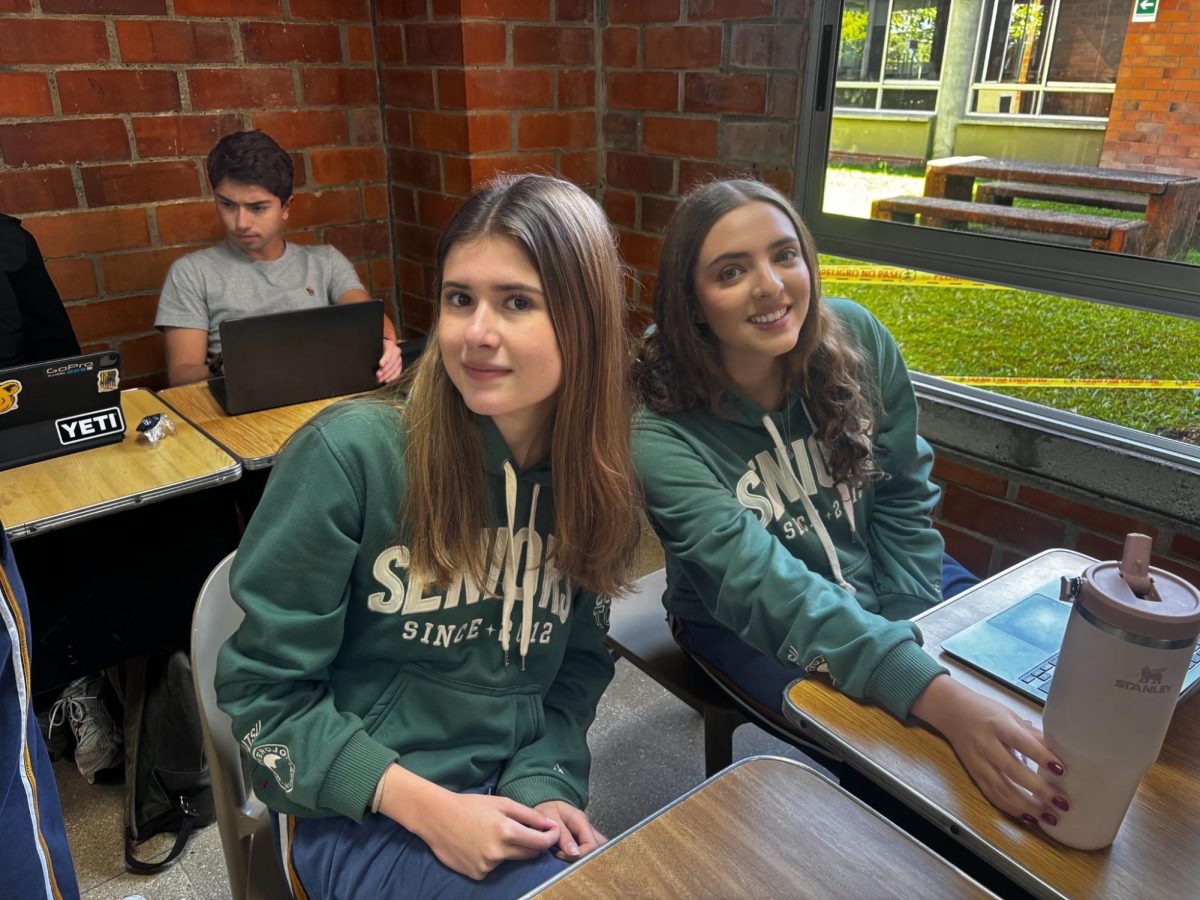
Students talk about school every day, including rules, academic pressure, and ideas for change. However, many still question whether their opinions actually influence decisions. Even though schools create spaces for students to speak, there is often a gap between being heard and creating real impact.
Valentina Barrientos, the school’s personera, represents student voices and communicates with the administration. She said, “As personera, my role is to listen to students and bring their concerns to the school administration so their voices can be considered in decisions.” Her role is meant to connect students with school leadership and ensure their concerns are shared.
However, representation does not always lead to change. Barrientos explained that students want their voices to have more impact. She said, “Many students tell me they want more opportunities to express their opinions and feel that their ideas are taken seriously.” This suggests that although students are given a platform, they are not always convinced their ideas influence decisions.
From the student perspective, this issue becomes clearer. Paulina Ospina said, “Students experience the school every day, so our opinions are important and should be part of the conversation.” Her statement shows that students believe they should have a voice because they are directly affected by school policies.
Despite this, many students feel ignored. Ospina said, “Sometimes students share ideas or concerns but do not always receive feedback, which makes them feel like they are not being heard.” This lack of response can create frustration and discourage students from continuing to speak up.
Still, students believe improvement is possible. Ospina said, “If schools listened more to students, it could create more trust between students and teachers.” Trust is important for a positive school environment, and without it, communication becomes less effective.
Teachers offer another perspective on this issue. Valentina Zuluaga said, “Students often share their opinions during class discussions or after class conversations with teachers.” This shows that there are opportunities for students to express themselves in daily school life.
Zuluaga also emphasized the importance of listening. She said, “Listening to students helps teachers understand what they are experiencing and how the school environment affects them.” This suggests that teachers value student input and try to understand their experiences.
In some cases, listening does have positive effects. Zuluaga said, “When students feel heard, it usually improves communication and the relationship between students and teachers.” This shows that while there are challenges, there are also moments where communication works effectively.
Overall, students do have opportunities to express their opinions, but the impact of those opinions is not always clear. Improving communication and providing more consistent feedback could help bridge the gap between expression and action. When students feel truly heard, they are more likely to trust the system and actively participate in improving their school environment.