


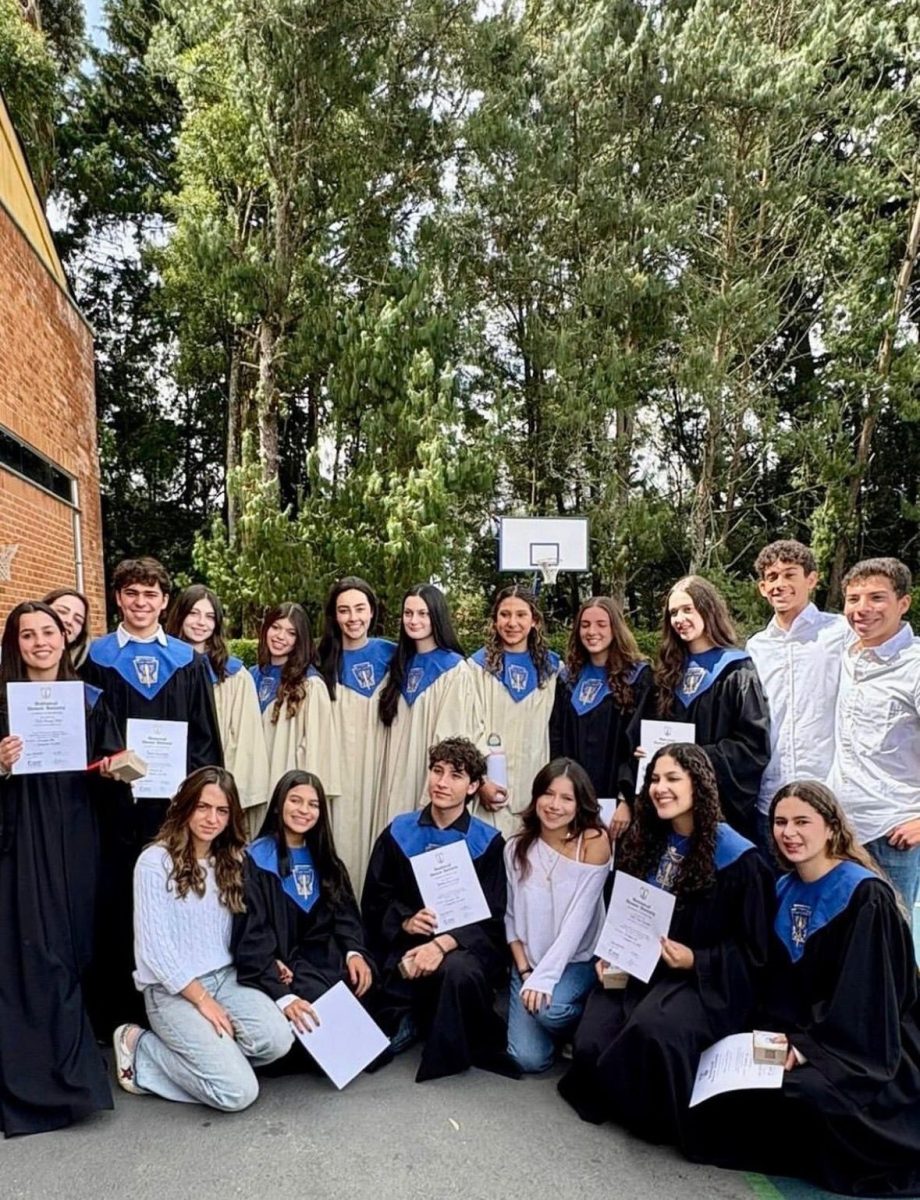
Behind the applause of ceremonies, the polished resumes, and the recognition of academic excellence, there is a side of the National Honor Society that few truly see. For many students, NHS represents prestige, a symbol of achievement or a line that strengthens a college application. However, beyond this visible image lies a constant process of planning, organizing, and serving that often goes unnoticed by the larger school community.
At the center of this work are student leaders who dedicate significant time to ensuring that NHS runs smoothly. Juliana Arango, a leader within the organization, describes the level of coordination required:
“I usually have a weekly meeting with Ms. Butters, the NHS mentor, where we organize all the ideas that we have, the future projects, how we’re gonna plan or do certain things, and then with the members, I usually have one monthly board meeting and once a quarter meeting with the rest of the members”.
These meetings form the foundation of NHS operations, allowing leaders to transform ideas into structured events and initiatives.
Despite this organization, much of the work NHS members do remains invisible. Arango highlights that “there are many, like, little tasks that the NHS kids usually do that people don’t recognize. Like, for example, the tours for the incoming parents, all of these little opportunities that members have the chance to participate on” Arango said. These small acts of service, though often overlooked, contribute significantly to the school’s sense of community and support.
However, managing these responsibilities is not without its challenges. Even experienced leaders can feel overwhelmed by the level of detail required. Arango admits, “Sometimes it can become a little overwhelming helping everybody and keeping all the little details in mind so we avoid big mistakes”. This reflects the pressure that comes with leadership, where even minor mistakes can affect the success of an event or initiative.
Beyond internal school activities, NHS also engages in meaningful outreach efforts that extend into the broader community. One such initiative involves teaching English to students who lack access to advanced language education. Arango explains, “One thing is not really well known is the English classes, because we started this year every Wednesday after school, there are some members that stay and we work alongside the La Fundacion, the TCS foundation, where we teach English to kids that don’t really have the opportunity to learn an advanced English as we do”. This program demonstrates how NHS moves beyond recognition and into real, tangible impact.
For newer members, joining NHS can initially feel overwhelming as they learn to balance service with other responsibilities. Camila Cardona recalls her experience: “At first it felt a lot to keep track of specially balancing it with school work and other activities but once I understood how the hours and the events work it became easier to plan ahead and choose service opportunities that actually fit my schedule”. Her experience highlights the adjustment period that many members face when entering the organization.
Learning how to manage service hours and responsibilities is part of that process. Cardona explains, “One challenge at first was understanding how to balance service hours with other responsibilities, I remember trying to figure out which events counted and how to log them”. These logistical challenges, while not always visible, are essential to maintaining accountability and ensuring that members meet their commitments.
The role of leadership is especially important in shaping the overall experience of NHS members. According to Cardona, “The leadership team sets the tone when they’re organized have enthusiasm and are encouraged. It also encourages the members to participate more because it feels like the events are meaningful and well planned”. Effective leadership not only ensures that events run smoothly but also motivates members to engage more actively in service.
From a teacher’s perspective, NHS represents more than just a series of activities it is an opportunity for students to grow and develop important values. Gloria Vélez emphasizes this by stating that “NHS is important not just as a graduation decoration, but as a way of giving back to the educational community through values, responsibility, and solidarity”. Her perspective reinforces the idea that NHS is grounded in character development rather than recognition alone.
Leadership within NHS also plays a crucial role in shaping students’ personal growth. Vélez explains, “It is very important for students to have leadership roles because it helps build their confidence, strengthens their character, encourages new ideas, and helps them understand that being a leader is not just about delegating it also involves the great responsibility of knowing who to delegate to”. Through these experiences, students gain skills that extend beyond the classroom and into their future endeavors.
Even the most visible NHS events require extensive preparation behind the scenes. The induction ceremony, often seen as a formal and polished event, is the result of careful planning and rehearsal. Vélez notes, “The most important event is the NHS induction ceremony, since a rehearsal must be done beforehand to practice how students enter, how to pass or light the candle, and the speeches given during the ceremony”. This attention to detail ensures that the event reflects the values and professionalism of the organization.
Ultimately, NHS is far more than the recognition it provides. It is a system built on dedication, teamwork, and countless unseen efforts. While its purpose may be widely acknowledged, the work required to fulfill that purpose often goes unnoticed.
By looking beyond the surface, it becomes clear that NHS is not just about being honored it is about the continuous effort to serve, lead, and create meaningful change within both the school and the community.