


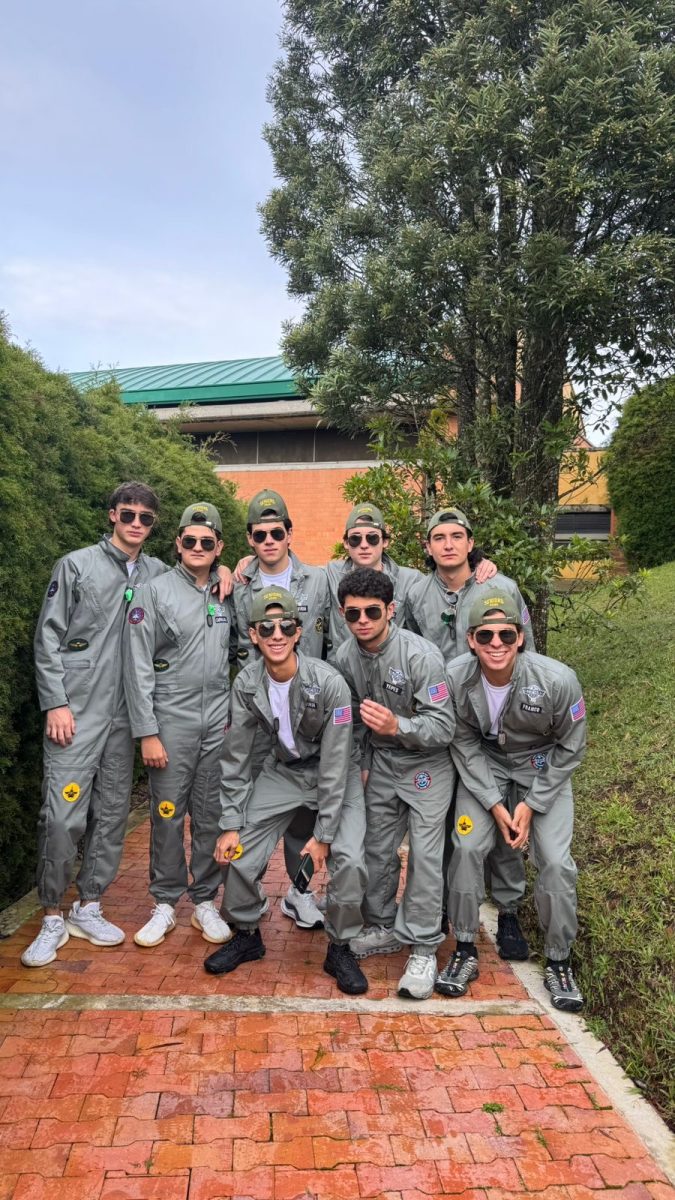
Halloween is supposed to be a tradition filled with creativity, excitement, and pride — especially for graduating seniors. However, this year, instead of celebration, many students experienced anxiety when their official costumes failed to arrive on time, forcing them into a last-minute crisis. Seniors spent days unsure whether they would even be able to participate in their own school tradition. To adults, it may seem like a minor inconvenience, but to the students living it, the ordeal revealed how poor planning and unreliable providers can significantly harm student well-being and school culture.
The school and the senior costume providers must plan earlier, demand accountability, and verify progress with evidence. When organization fails, it doesn’t just disrupt an event — it damages student morale, emotional health, and the meaning behind school traditions. Poor planning caused unnecessary stress among students who had prepared for months. According to María del Mar Aaron, a 12th-grade student, “everyone was very stressed out and started panicking,” and many had to prepare a full Plan B because they genuinely believed the costumes would never arrive. Senior Luciana Ramirez explained that her “excitement and motivation decreased,” creating fear that “the senior tradition would fail.” When students invest emotionally in a meaningful ritual only to face uncertainty, it erodes their trust in school-led processes. A moment meant for celebration should never become a source of anxiety.
This problem also reflects a failure in vendor accountability. Students paid and ordered costumes with anticipation, yet the provider did not meet the agreed-upon timeline or communicate consistently. An AP News article on U.S. costume shortages notes that 90% of costumes come from China and that businesses must show “adaptability and better planning” when facing production limitations. Students suggested requesting progress photos, setting multiple checkpoints, and enforcing earlier deadlines. This proves that good organization is not luck — it requires structured systems that prevent last-minute disasters.
School traditions are far from meaningless; they shape identity, memory, school spirit, and community. Luciana Ramirez emphasized that seniors “give a lot of importance” to Halloween because it becomes “an unforgettable day.” Even though the costumes eventually arrived at 2:00 a.m., many students reported relief rather than joy. As María del Mar Aaron noted, costumes are “the priority” because without them, the event “wouldn’t have been the same celebration.” Respecting a tradition means respecting the emotional investment and cultural belonging behind it.
Some may argue that because the costumes ultimately arrived and the event proceeded, the delay wasn’t truly harmful. Others claim that obstacles build resilience and that students should learn to improvise. But learning through difficulty does not justify avoidable stress — especially when the problem stems from preventable organizational failures, not natural challenges. Students should certainly learn responsibility, but adults and vendors must also honor timelines, communication, and contractual commitments. Celebration should be meaningful, not traumatic.
If schools want students to understand real-world responsibility, they must model it themselves. Future event planning must include early deadlines, verified checkpoints, written agreements, and reliable contingency plans. Students deserve memorable events created through organization, not luck. Accountability is not about blame; it’s about building trust.
Next year, let’s create joy intentionally — not accidentally.