


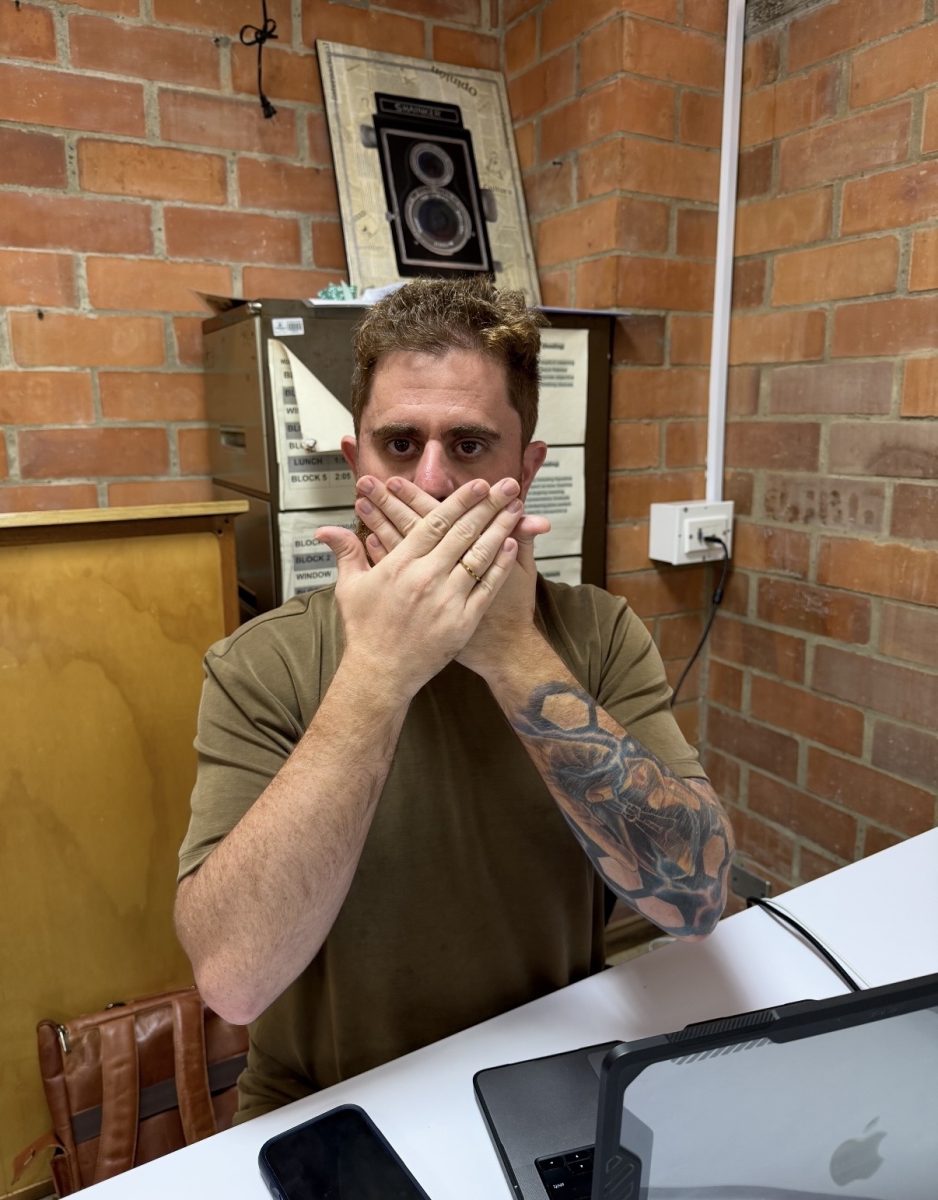
Imagine you’re sitting in class and something is really bothering you. It’s not the math homework or a history project; it’s something personal, like a fight with your parents or a breakup. You want to talk to your teacher, but you wonder: Can I actually trust them? Will they tell my secret? This is where school privacy rules come in. These rules are meant to keep everyone safe, but they also create a bit of a wall between teachers and students. It makes us wonder if these strict boundaries help us, or if they just make it harder to build a real connection.
School life is full of “closed doors.” For students, these rules can feel like the school is hiding things. For teachers, the rules are like a safety net that keeps their professional life from getting too messy. But how do we find a balance?
At the heart of every school is a big question about what should be shared and what should stay private. Mr. Andrew, a teacher who deals with this every day, believes that being open is the best way to make a school better. “Sometimes when we can be honest both with our students and what’s going on behind closed doors, I feel like that honesty is a really important component to how we improve even when that honesty doesn’t always paint the best picture of ourselves,” Mr. Andrew says.
Basically, he’s saying that trust isn’t about being perfect; it’s about being real. But there’s a limit. Teachers can’t just tell you everything, especially about other students. Mr. Andrew is very clear that sharing a student’s private business would be a huge mistake. “I can’t share about other students, so if another student shares something’s confidentiality it would be a real breach of power to then share that with other students,” he explains. This means a teacher has to act like a vault. If you tell them something, they shouldn’t use it as gossip.
From a student’s point of view, teachers can be a bit of a mystery. Amelia Pulgarín, a student who has thought a lot about this, says it’s normal to want to know more about the people we see every day. “I think that students are interested in their teachers’ life because they also spend most of their daily lives with them and that might give them some curiosity,” she says.
When a teacher says “I can’t tell you that,” it’s not always because they are being mean. Amelia thinks it’s often because they are human and don’t want to be judged. “I think that teachers avoid these questions when they might feel judged and they do not want to share those aspects of their lives with their students,” she explains. It’s their way of keeping a professional shield up.
Surprisingly, many aren’t actually mad about these rules. Camilo Hoyos, a teacher, says he understands that teachers have to follow the law. When asked if it bothers him when certain things cannot be shared, he explains, “It does not affect my trust, because they are forced to do this, it is not their choice. I just respect that rule.” This shows that even educators recognize these boundaries as necessary and professional.
For teachers who really care about their students, the line between “teacher” and “mentor” gets blurry. Camilo Hoyos mentioned that students often ask for advice on very tough topics. “I feel that students trust me, and that opens the door for them to ask difficult or sensitive questions of a personal nature,” the teacher says. These aren’t easy questions; they are about things like “infidelity in relationships” or “very personal family issues, particularly those involving their relationships with their parents.”
In these moments, privacy is everything. “For me, matters that students share are sacred. There is zero tolerance for discussing these types of issues with other students or teachers,” Mr.Hoyos says. But sometimes, teachers have to speak up—like if a student is in danger.
To keep the trust alive even when they have to report something, some teachers try to be as honest as possible with the student first. “In cases where a situation must be reported… I always try to speak with the student first and ask for their permission before taking that step whenever possible,” the teacher explains. Doing this makes the student feel “respected and included in the process,” rather than feeling betrayed.
Even though sharing personal stories can help a teacher and student connect, there is such a thing as “too much information.” As one teacher warns, they shouldn’t share things just to “complain, vent, or create bias.” Everything shared should have a good reason behind it.
In the end, school privacy rules aren’t just annoying. They are the boundaries that keep the relationship professional and safe. When teachers are honest about why they can’t say certain things, it actually builds more trust. The wall between might still be there, but if we can see through it and respect each other, it doesn’t have to stop us from having a great relationship.