


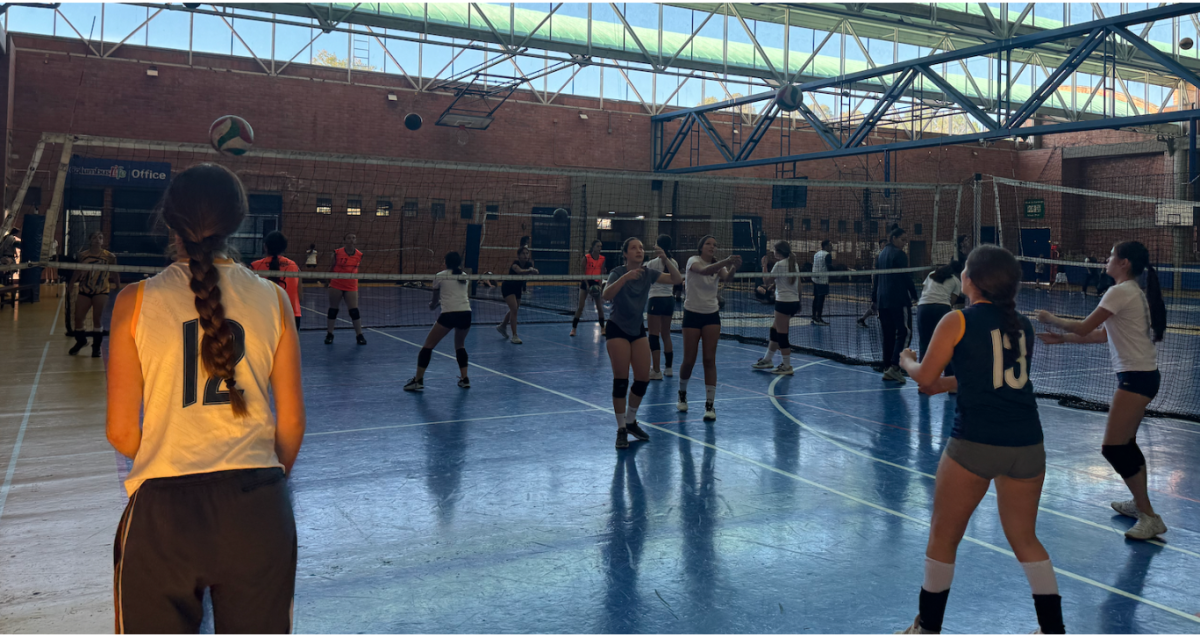
High school athletics often conjure images of packed bleachers, intense rivalries, and vibrant student sections. Yet, beneath the bright stadium lights, a quieter and far more concerning trend is taking root within female high school sports: a steady, silent decline in participation that leaves rosters depleted and struggling teams to survive. For many young athletes, the initial draw of joining a team is rooted in the desire for connection and personal development.
“I wanted to be a good sport and build community, friendship, and teamwork,” said Daniala Barrera, a senior at TCS and co-captain of the basketball team, who has been part of the programme for over five years. This foundational desire for community often propels dedicated athletes into leadership positions, where the responsibilities extend far beyond simply winning games. For those who stay, like Barrera, the role becomes an emotional anchor for the entire team.
“Being captain meant learning about goals, independence, and leadership,” Barrera explained, emphasizing that holding the position forced her to find personal motivation even when the collective energy began to wane.
However, leadership cannot sustain a team entirely, especially when the surrounding environment begins to fracture. “At one point there were only two people left showing up,” the captain recalled, pointing to a point where numbers dwindled to critical levels. Managing a near-empty court requires captains to shift their approach from tactical exclusion to radical inclusivity, where accepting everyone matters,” It was about accepting everyone on the team.” Barrera explained. This cultural disintegration really shakes the program to its core, which, as the captain also said, “no effort was being made.”
While Barrera witnessed firsthand as this collapse of the basketball team occurred, Eloisa Pulgarin, an ex-member of the girls soccer team for more than eight years and a senior at TCS, had a similar experience. This showed that girls quitting sports was more than a one-sport issue, but rather a reflection of a program across fields.
“The boys’ soccer team is mainly focused on intense competition,” Pulgarin noted, highlighting that male sports often involve a stricter and more rigid framework that keeps players engaged. Without this intense competition culture to bind them together, female teams frequently experience a slow drift towards apathy that can highly frustrate members. “As a long-term member, I saw a lot of loss of motivation among the girls,” Pulgarin states, showing that systematic adjustments are required to keep an active team.
“The school needs to pay more attention to our team,” Pulgarin urged, ultimately highlighting that keeping young women involved in high school athletics requires an institutional effort that evokes drive on the field. “We need much more involvement in tournaments,” Pulgarin once again insisted.