


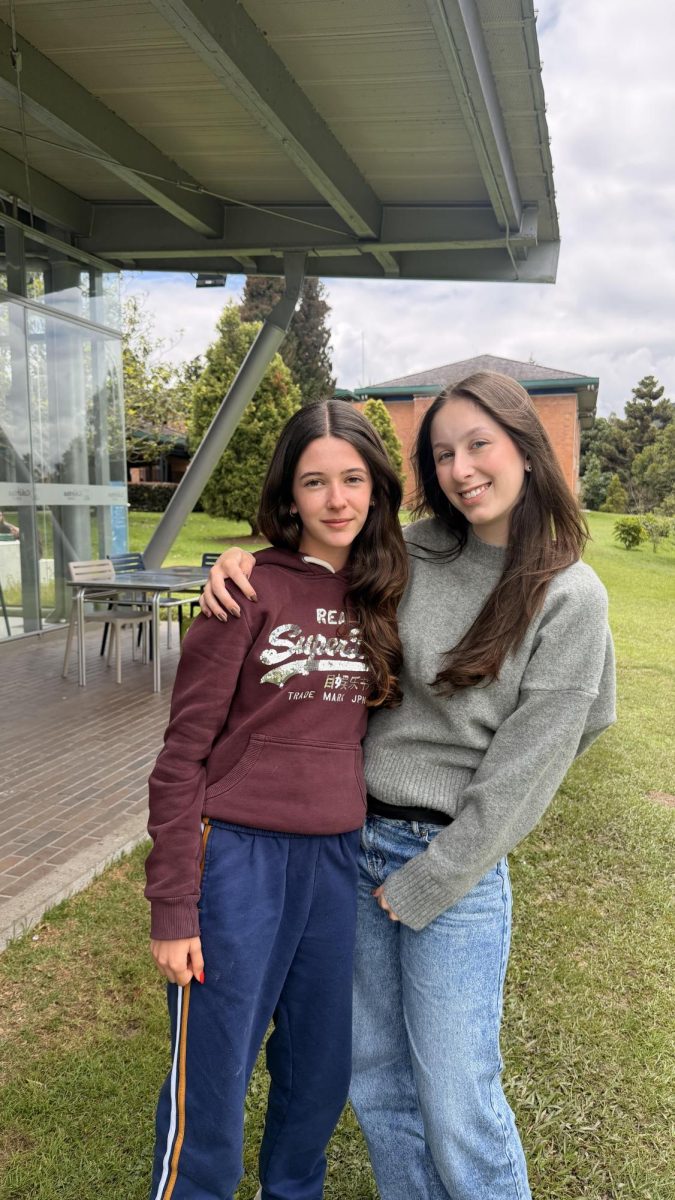
Walking through the halls of The Columbus School, it is easy to notice an unspoken dynamic between younger and older students. Without formal titles or responsibilities, older girls naturally become role models, influencing how younger students act, dress, and see themselves. This quiet but powerful dynamic creates what many students recognize as a “big sister effect,” where influence is passed down through observation, admiration, and imitation.
For many students, this influence begins at a young age. Younger girls often look up to older students not only because they seem more experienced, but because they represent what the future might look like. As Sofia Betancur explains, “I think they look up to older students because they feel like they look at them as inspiration and they want to… be like them and maybe they have them like on a… pedestal.” This admiration creates a sense of curiosity and aspiration that shapes how younger students begin to form their identities.
One of the strongest areas where this influence appears is fashion and personal style. While style may seem like an individual choice, students recognize that it is deeply shaped by their environment. “You cannot say that style is developed independently because style is something that is affected by lots of factors… and it can also, in this case, be how other people dress and how the seniors dress,” Betancur says. At TCS, older girls unintentionally set trends that younger students observe and adopt over time.
This influence becomes especially visible during major school events. Students often prepare for experiences like prom or trips by looking at what older students have done before them. “We would always look at pictures that the older girls had posted… to see what they were… doing, and just to know what to expect,” Betancur recalls. These moments show how influence goes beyond daily life and extends into important milestones.
For many students, this pattern of influence is something they experienced firsthand. Maria José Mesa reflects, “When we were young, we all looked up to older girls… because they were cool, and we thought that when we grew up, we should be like them”. This desire to imitate older students often shapes decisions, from clothing choices to behavior. She adds that students would notice “what they were wearing or what… backpacks they bought… so we could… follow in their steps.”
However, the impact of older girls is not only about appearance. It also plays a significant role in confidence and social belonging. “Personal presentation is something really important… because the better presented you are… the more you’re going to feel like you fit in,” Mesa explains. Feeling accepted becomes closely tied to how students present themselves, reinforcing the importance of these social influences.
In many ways, older girls serve as informal guides for younger students who are still trying to understand how to navigate school life. “They have nothing else to… use as a guide… so I feel like we serve as a blueprint,” Mesa says. This idea of a “blueprint” highlights how influence is not always intentional, but still deeply impactful.
Younger students also recognize this influence when observing older girls directly. Susana Rojas notes, “I can see their style and their confidence throughout… the way they behave with their friends.” This shows that influence is not limited to fashion, but also includes attitude, communication, and overall presence.
For some students, these observations help them grow personally. Rojas explains that in ninth grade, she began to feel more confident by watching others: “I could see the ways they managed… their time or how they behaved in high school.” This demonstrates how the “big sister effect” can support development beyond surface-level changes.
However, this influence is not always entirely positive. As Rojas points out, “there are some specific cases that don’t reflect this.” Not every role model sets a perfect example, and sometimes younger students may adopt habits that are not beneficial. Acknowledging this complexity is important in understanding the full picture of student influence.
Despite these exceptions, the overall impact remains largely positive. Rojas emphasizes that “their confidence is really reflected on younger girls,” reinforcing the idea that influence often helps students grow. Confidence, in particular, seems to be one of the most important traits passed down through this dynamic.
Ultimately, the “big sister effect” at TCS reveals how much students learn from each other, even without direct instruction. Through fashion, behavior, and confidence, older girls help shape the identity of younger students in ways that are both subtle and powerful. This ongoing cycle of influence continues to define the culture of the school, proving that sometimes the most meaningful lessons are not taught in classrooms, but learned through observation.