


Many students believe academic success begins with intelligence, effort during class, or hours spent studying. But academic focus does not begin when class starts. It begins long before the first bell rings. Preparation, organization, and environment before and during the school day directly shape how well students learn and perform.
For some students, the day already feels off before the first class even begins at 8:00 am. This is not an isolated experience but a common reality for many students at The Columbus School who rush through mornings or skip essential habits. Gabriel Jaramillo, an 11th grader, explains, “When I do not eat breakfast, I come to school extremely hungry and cannot pay attention because I am constantly thinking about food.” That lack of focus directly interferes with learning. When attention is fixed on physical discomfort, it becomes nearly impossible to fully engage with lessons or absorb information. He also shares, “When I am very rushed and skip breakfast, I feel unmotivated and do not want to do anything during first block,” showing how disrupted routines weaken motivation and engagement early in the day.
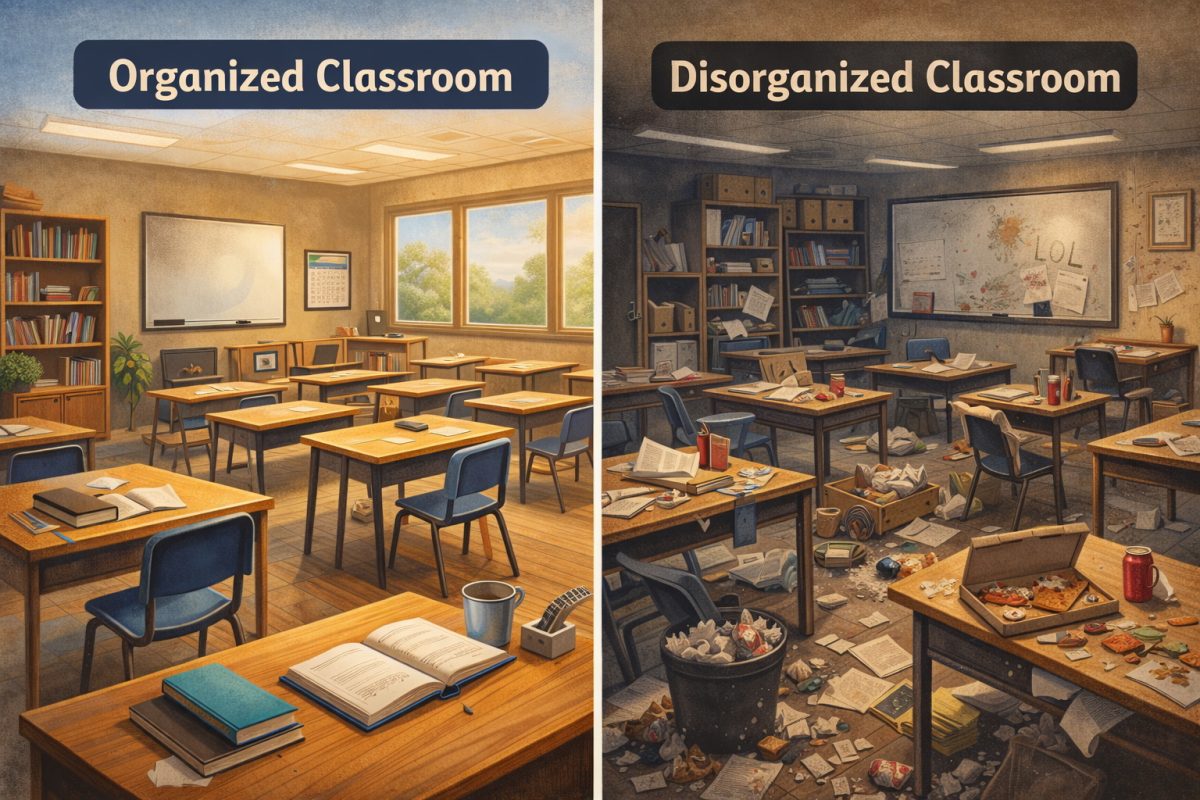
The physical environment inside the classroom also directly impacts concentration. Gabriel notes, “If the classroom is dirty or smells bad, all I want to do is leave, but when it is clean, I am able to concentrate and study.” Discomfort does not simply make a space unpleasant; it competes for attention and reduces a student’s ability to focus. Learning conditions matter just as much as teaching.
Manuel Torres, now a student at EAFIT who graduated from the Columbus School in 2025, reinforces this connection between environment and concentration. He explains, “A clean and organized study environment helps me concentrate longer and creates mental clarity, while a messy space leads to distraction.” Physical space influences cognitive focus. When surroundings are orderly, attention lasts longer. When they are chaotic, distraction increases.
Daily routines and organization further connect preparation and environment to academic performance. Susana Palacio, a senior at The Columbus School, shares, “If I have a hectic morning and a chaotic environment, my whole day at school is affected and I do worse academically. But when my morning is calm and organized, I arrive knowing what to do and feel in control.” Her experience makes it clear that routines before school directly shape academic outcomes. Organization provides emotional stability and direction, which translates into stronger performance in class.
Manuel similarly explains, “Being organized lowers my stress because I am not constantly worried about forgetting something, which helps me focus and work more efficiently.” Lower stress is not just emotional relief; it allows sustained concentration and greater productivity. He also emphasizes, “Intentional preparation sets the tone for how seriously I take my work, and without it, I feel scattered and unfocused.” Preparation is an active choice that shapes discipline and engagement long before studying begins.
Personal presentation also influences academic stamina and confidence. Susana explains, “The way I dress affects how comfortable and present I feel. When I feel good in what I am wearing, I am more focused and confident during the day.” This highlights that performance is influenced not only by academics but by how students feel about themselves in their environment. Confidence supports participation, persistence, and sustained effort.
Classroom organization plays a role as well. Susana points out, “If a teacher runs a disorganized classroom, my work ethic and stamina drop. An organized classroom is the main way I stay focused and productive.” While students cannot fully control classroom structure, this reinforces the idea that organization within learning spaces is essential for motivation and consistent effort.
Together, these perspectives reveal a clear pattern: preparation, organization, and environment directly influence focus, motivation, and performance. These factors are not superficial. They are foundational conditions for learning. When students are physically prepared, mentally organized, and placed in structured environments, they are better equipped to concentrate and succeed.
If we want stronger focus, motivation, and academic performance, both students and the school community must take preparation and environment seriously. Students can build intentional routines, organize their materials, and show up prepared each day. Classrooms can prioritize cleanliness and structure that support sustained concentration. Success does not start with the assignment. It starts with how we show up.