


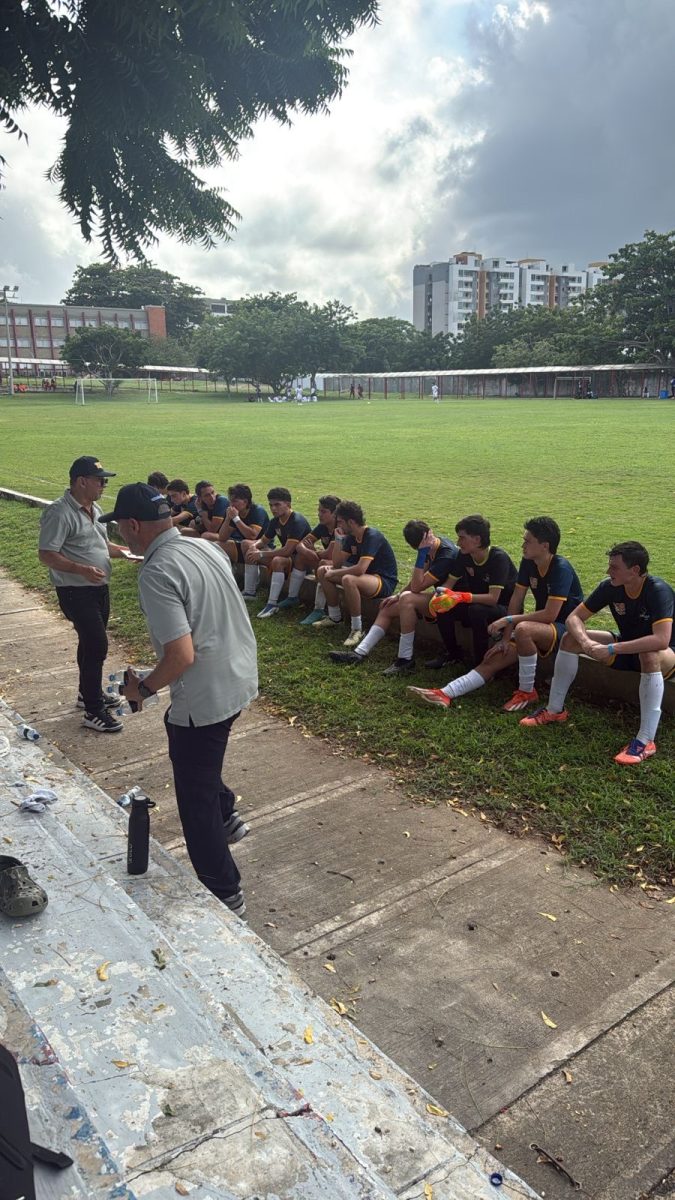
Last year’s results raised questions about how students can stay committed to their teams. One possible reason is that students did not always have enough motivation or preparation before tournaments, which can affect how teams perform in important games. Juanita Sánchez González, a 12th-grade student and volleyball player who competed in the Binacionales tournament, believes motivation can come from the team itself: “I think what motivates us the most is wanting to improve and knowing that our effort can make a difference in a competition. Also, seeing our teammates work hard makes us want to push ourselves and not let the team down.”
While individual effort matters, Juanita also believes that athletes need to work together instead of focusing only on themselves: “We could communicate better, support each other, and make sure everyone feels included. Instead of only focusing on our own performance, we should help our teammates improve and encourage each other when things don’t go well.”
Better communication can strengthen a team, but Juanita also believes preparation against strong competition is important before tournaments: “I would increase the amount of competitive practice we have before tournaments. Playing against stronger teams would help us understand what we need to improve and prepare us better for the pressure and level of competition in tournaments.”
Juanita focuses on what students can do to improve their preparation, but coach Urbano Mesa explains that teams also need to begin competing at a higher level earlier: “The first thing is that teams should start training from elementary school and not only play youth tournaments, but they should also compete in the Antioquia soccer league, Envigado, or Sabaneta.”
Urbano believes that starting earlier and competing against stronger teams would help athletes develop, and he also emphasizes the importance of a more consistent training schedule: “I am convinced that training 4 times a week and having a game on the weekends would change everything: better-prepared players, more competitive teams, and more commitment from players to attend training.”
More frequent training could improve preparation and commitment, but Urbano also believes that athletes need psychological support to develop a stronger competitive mindset: “The psychological aspect is the most important thing for high-performance athletes; it would be good for the school to have sports psychologists.”
While the coach explains preparation from the coaching side, Sara Sanchez, a 12th-grade student and volleyball team captain, adds the athlete’s perspective. She points to problems beyond attendance, including schedules and limited opportunities to compete: “I would like to have more flexibility with our training hours because sometimes training in the morning and afternoon is not possible due to the schedule. I would also like to have more tournaments because we don’t have enough opportunities to compete. Sometimes, we also have difficulties getting permission to attend tournaments such as the Intercolegiados. Having more opportunities to compete would help us gain experience and improve.”
Sara connects better preparation with having more opportunities to compete, arguing that athletes need more chances to gain experience: “I would like to have more flexibility with our training hours because sometimes training in the morning and afternoon is not possible due to the schedule. I would also like to have more tournaments because we don’t have enough opportunities to compete. Sometimes, we also have difficulties getting permission to attend tournaments such as the Intercolegiados. Having more opportunities to compete would help us gain experience and improve.”
However, Sara believes stronger teams will need more than physical preparation, because mindset can also influence performance: “I would change the attitude and mindset of our athletes in certain situations. Having a sports psychologist at school could help us with motivation, confidence, teamwork, and handling pressure. I think this could make a big difference in how we perform during competitions.”
For school teams to improve, the sources point to several areas that could affect performance, including commitment, competitive practice, training opportunities, and mental preparation. These perspectives show that improving results may require both stronger preparation and greater support for student-athletes.