


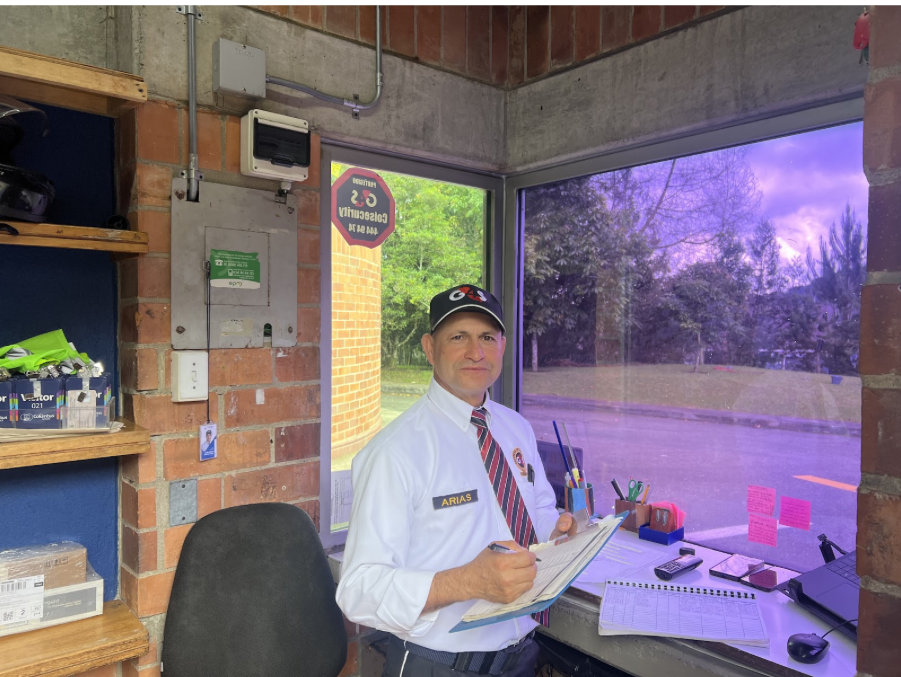
What does it really mean for a school to be “safe”? At The Columbus School, safety is not just a priority—it is part of the school’s identity. With no major incidents reported in decades, the campus appears to be a model of security. However, behind this reputation lies a more complex reality, where strong systems, overlooked gaps, and differing perspectives raise an important question: is the school’s safety truly as solid as it seems?
Students cannot focus on learning if they fear for their well-being. Because of this, the administration and staff at The Columbus School have implemented numerous measures to maintain a secure environment. According to those who work on campus daily, these efforts have been highly effective. In fact, many staff members cannot recall a single serious incident in the past 30 years, suggesting that the system in place has been successful—at least on the surface.
One of the biggest factors contributing to this sense of safety is the advancement of technology. Over time, modern tools have significantly strengthened the school’s ability to monitor and protect its campus. A security guard explained that security has “changed a lot in these years” and is now “more modern,” with increasingly digital surveillance and greater overall knowledge. His statement reflects how digital systems have reshaped security practices.
In addition to technology, constant human presence plays a major role. The same guard noted that there is “a lot of security periodically” throughout the school. This continuous monitoring helps ensure that suspicious activity is quickly identified and addressed, maintaining a strong day-to-day sense of order and control.
Despite these strengths, not all security concerns come from major threats. In fact, the most common breaches are relatively minor but still concerning. The guard revealed that people sometimes “sneak in and sleep overnight in the woods.” These trespassers, often homeless individuals or students seeking risk, manage to enter the campus undetected. While this behavior may seem harmless, it introduces potential dangers.
For example, many of these individuals cut fences to gain access, creating vulnerabilities in the school’s perimeter. This raises serious concerns about who is entering and leaving the campus without supervision. Even if no harmful intent exists, unpredictable situations—such as fires or misunderstandings with security—could escalate quickly. These smaller breaches highlight that even a strong system is not without its flaws.
While security staff emphasize the system’s effectiveness, some teachers see the situation differently. A math teacher, Mr. Bradford, expressed skepticism about the necessity of such strict measures. He stated that he has not heard of any incidents and believes some concerns may be exaggerated, suggesting that the school might be “super secure when really there’s nothing going on.” From his perspective, the absence of incidents may indicate that the school is over-preparing for problems that rarely occur.
However, Mr. Bradford also identifies what he believes is a significant oversight. He explained that if someone intended to harm a student, they could target them outside the school gates, where students are required to walk along the street. His concern highlights a vulnerability beyond the school’s controlled environment.
In addition to external risks, Mr. Bradford points out inconsistencies within the system itself. He observed that while security is stricter during non-peak hours, during arrival and dismissal “they don’t even check anything—you just drive in.” This suggests that security measures may weaken during high-traffic times, potentially creating gaps that could be exploited.
Another perspective comes from Mrs. Alyssa Jodoin, who focuses on preparedness rather than prevention alone. She noted that while the school conducts fire drills, it has not implemented lockdown drills, which she found unusual compared to other schools. While this may reflect the school’s historically safe environment, it also raises questions about readiness for more serious emergencies.
At the same time, Mrs. Alyssa acknowledges the strengths of the current system. She said the school has “a really great security team,” but also noted that the large number of people coming and going can make it difficult to always know who is on campus. Her statement highlights both confidence in the staff and the challenges of managing a busy environment.
Furthermore, she describes improvements that have been made to address these challenges. She explained that staff ID badges are now more consistently enforced and that systems are in place to track who is picking up individuals from campus, including required car identification codes. These measures demonstrate the school’s effort to adapt and strengthen its procedures over time.
Ultimately, the safety of The Columbus School cannot be defined by a single perspective. Security guards emphasize effectiveness and control, while teachers point out inconsistencies and overlooked risks. Together, these viewpoints reveal a system that is both strong and imperfect.
So, is The Columbus School truly safe? The answer seems to lie somewhere in the middle. The absence of major incidents suggests that the system works, but the concerns raised by staff indicate that there is still room for improvement. In the end, the school’s approach appears to follow a simple philosophy: maintain what works and adjust only when necessary. Whether that mindset is enough for the future, however, remains an open question.