


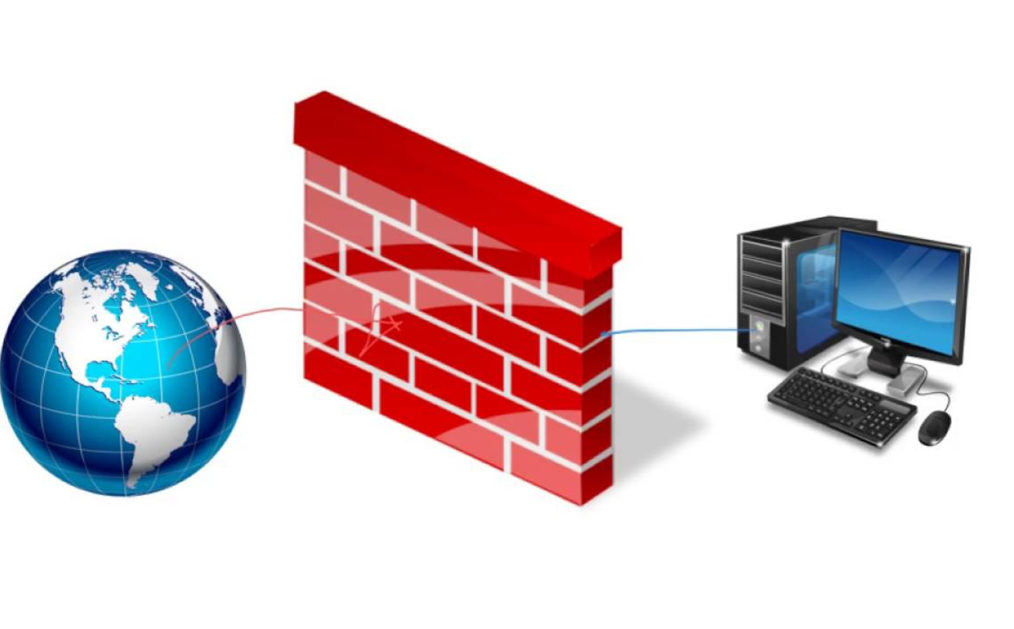
The Columbus School’s internet restrictions aim to keep students safe, but they often block educational resources and limit creativity. Instead of over-filtering the online world, I believe schools should focus on teaching digital responsibility.
Imagine trying to research for a school project and realizing that half of your sources are blocked. I run into this constantly at The Columbus School. The filters were designed to protect us from inappropriate content, but I often feel like they block more useful sites than harmful ones. As a student growing up in a fully digital world, it feels far more important to learn how to navigate the internet responsibly than to be shielded from it. So it makes me wonder: are these restrictions really protecting me, or are they holding me back?
While I understand the need for some level of filtering, I believe our school’s restrictions go too far. The focus should shift from simply blocking content to helping students use technology safely, responsibly, and intelligently.
For many of us, blocked websites make research more complicated than it needs to be. Student Manuel Londoño explained, “I feel that for many of my sources… I can’t enter the page because of the school’s restrictions.” I completely relate. I’ve had projects where the exact sources I needed were blocked, forcing me to waste time searching for alternatives instead of learning. As Manuel also pointed out, these filters “limit the student’s creativity and ability to learn,” and I agree — sometimes they stop me from exploring topics I genuinely care about.
Beyond academics, the filters often make school feel controlling rather than protective. Manuel mentioned, “I feel that I’m old enough to make my own decisions,” and I feel the same way. I want the school to trust me as a responsible digital citizen. When so many resources are blocked, students end up using their phones or finding workarounds anyway, which defeats the purpose. Teaching us how to make smart decisions online would be far more effective than blocking everything.
Even administrators recognize that the system isn’t perfect. Mr. Navarra said that when teachers or students request a site to be unblocked, they usually fix it — which shows that the system makes mistakes. He also explained that an algorithm decides what gets blocked. As a student, it’s unsettling to know that a computer program, not a person, determines what information I can access. And when the principal himself acknowledges that “the Internet and Artificial Intelligence are constantly changing,” it becomes clear that these filters aren’t keeping up with reality.
Of course, there are valid reasons why some people support the filters. Mr. Navarra pointed out that “the main reason is student safety,” and I agree that harmful content should be kept out of schools. But there is a difference between safety and overcontrol. When educational sites are blocked, it directly affects learning. Instead of relying solely on filters, the school should teach digital responsibility so students know how to navigate the internet safely — especially in situations where no filter exists.
The Columbus School’s internet filters were created with good intentions, and I respect that. But in practice, they often limit access, creativity, and trust. And since even Mr. Navarra admits the system is “constantly evolving,” it seems like the right moment to shift the focus toward responsibility instead of restriction. I want to learn in an environment that teaches me how to use the internet wisely — not one that blocks my path forward.